

The Festivities of Dia de los Muertos
A Celebration with Spirit
Rooted in tradition and deep spirituality, Dia de los Muertos, or Day of the Dead, is a unique annual Mexican holiday celebrated on November 1 and 2. It combines thousands of years of history infused with Catholicism in a distinctive ritual that honors lost loved ones and death as part of the life cycle through events, cuisine, and reverential altars set up in the home and other spaces. Though its symbols — including skeletons and whimsically painted skulls — may at first seem ominous or even eerie, it is in fact a truly joyous celebration, and while it follows another popular international holiday on the calendar, Halloween, it is distinctly different and unrelated. For travelers who seek to immerse in local culture, few opportunities offer a more unforgettable, quintessentially Mexican experience than Dia de los Muertos.
Historic Roots and Modern Interpretations
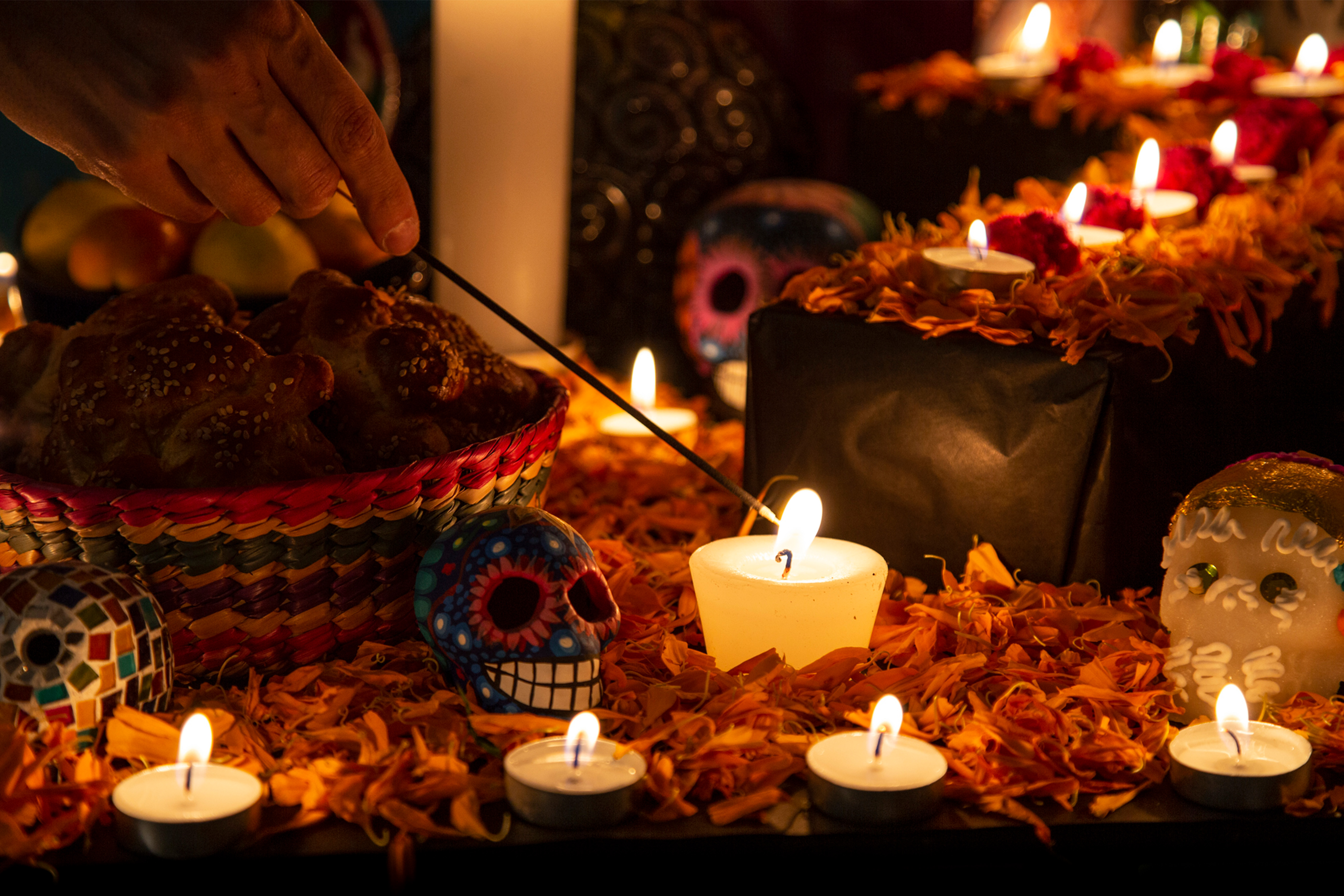
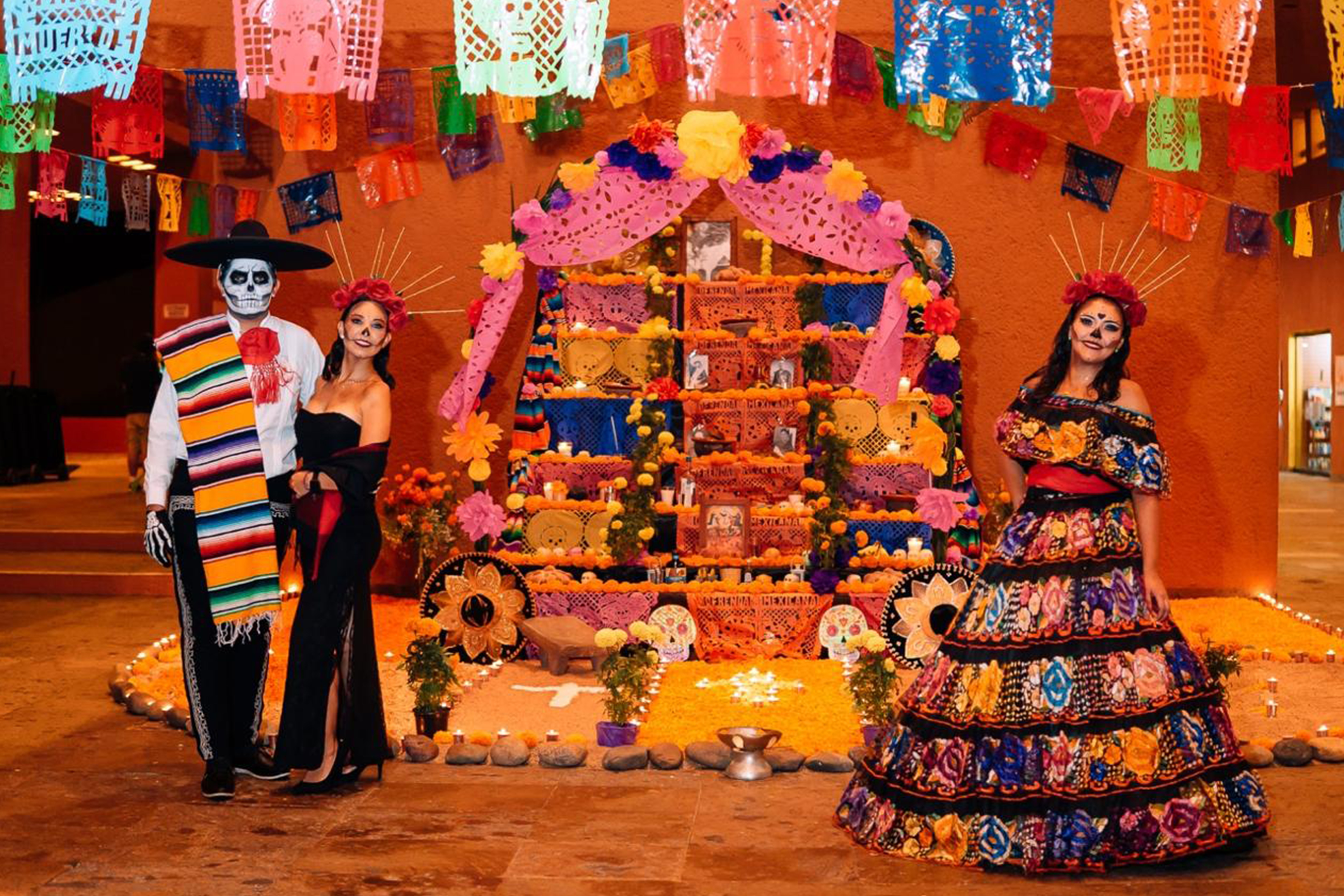
Its origins can be traced back thousands of years to ancient Aztec rituals, yet Dia de los Muertos has evolved and grown into a lively modern holiday celebrated by people throughout Mexico and beyond, even reaching into international pop culture. An elaborate Dia de los Muertos parade in Mexico City featured in the introduction of the 2015 James Bond film, Spectre, offering a brilliant glimpse of the colorful costumes, makeup, and icons of the holiday festivities. At the heart of the holiday, however, is the ofrenda, elaborate altar adorned with items to represent the four elements, including photographs, candles, flowers, and foods. Candles, representing fire, light the way for the departed loved ones, and colorful paper streamers represent the wind. The flowers, marigolds, are chosen because their bright color and strong scent are believed to help guide the spirits to the altar. Favorite foods may also be set out, and drinks are offered to quench the spirits’ thirst. Traditional dishes like tamales, mole, and atole (a corn-based beverage) are prepared with love and care, reflecting the deep connection between food and memory. Additional significant elements that have become symbolic of the celebration include elaborately decorated skulls crafted of sugar, calaveras de azúcar, and la Catrina, a large female skeleton that wears an extravagant hat and a broad smile. In honor of the holiday, families visit cemeteries to clean and decorate the graves of their loved ones, often spending the night in celebration. Music, dance, and storytelling are integral parts of the festivities, coloring the entire celebration with both joy and a deep respect.
A Host of Celebrations
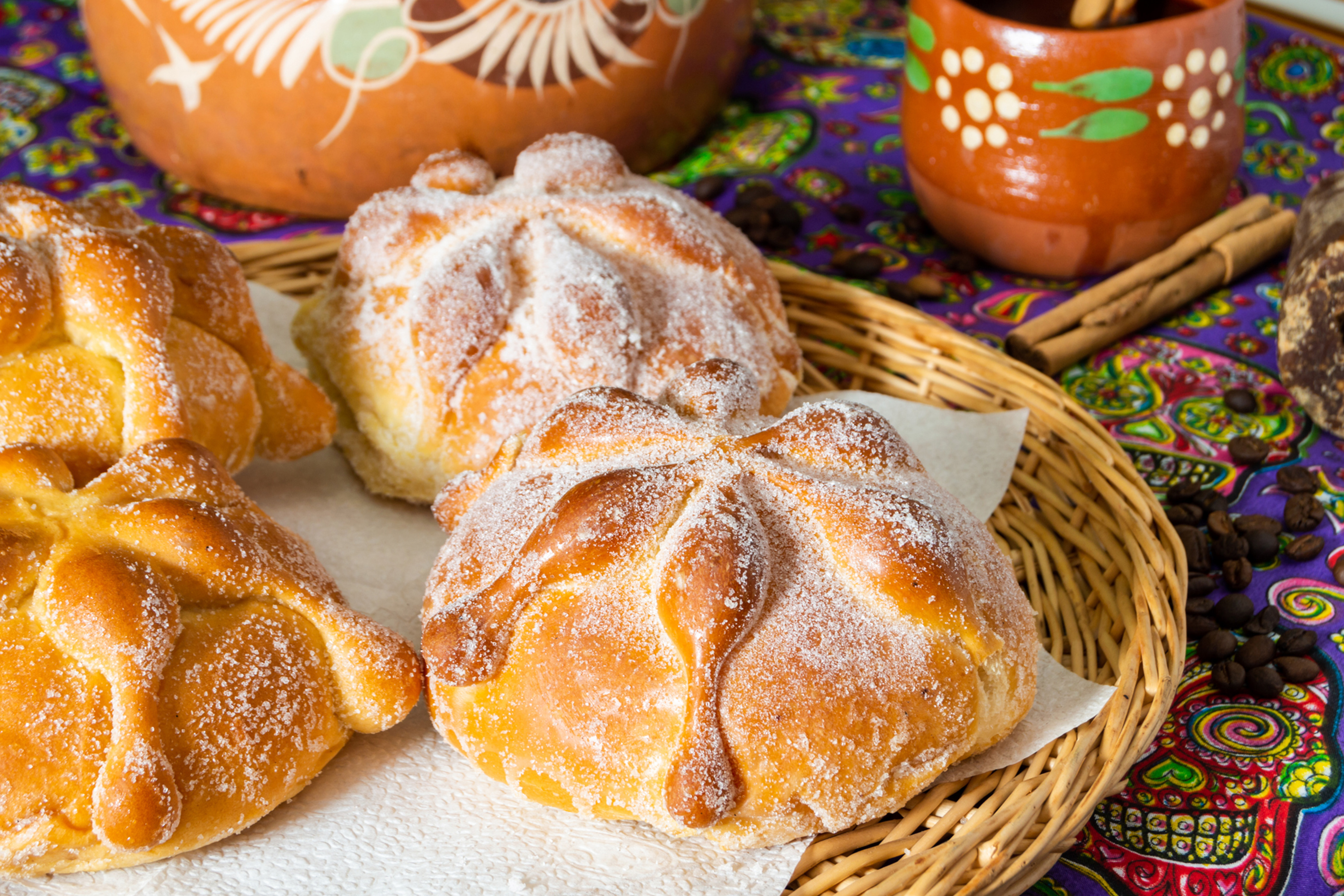
Hotels and resorts throughout the country invite guests to experience the festivities and learn more about this holiday steeped in tradition, respect, love, and joy, with everything from décor and special menus to entertainment, activities, and their own elaborate ofrendas. Fully decorated for the holiday, Grand Velas Los Cabos will host a Catrinas parade, where the symbolic skeletons strut through the resort’s gardens and beachfront areas at sunset. Offered along the parade route will be traditional pan de muerto, bread of the dead, a sweet, fluffy bread with bone-shaped decorations, and handcrafted popsicles in typical Mexican flavors such as tamarind and hibiscus, decorated for the occasion with skull and flower motifs. Guests inspired by the Catrinas’ unique look will have an opportunity to be transformed themselves when expert makeup artists are on hand to apply the signature skull designs.
On the Mexican mainland, Grand Velas Riviera Nayarit puts a unique spin on celebrations with Mexology Fest, making different kinds of Mexican spirits — the drinkable kind — the stars, and each drink and ingredient tells a story. The event’s activities include a Mexican dinner with signature mixology, a cocktail tasting, and varied distillery workshops. Beach-bound guest can enjoy pan de muerto and take in the ofrenda at Las Brisas Ixtapa, and farther south along the Pacific Coast at Las Brisas Huatulco, guests can join the festivities as the hotel unveils its own traditional ofrenda, with a detailed explanation of the holiday and its traditions, accompanied by themed small bites. The contemporary Galeria Plaza Monterrey honors the occasion with a three-course dinner pairing that includes a welcome cocktail.